A Word From the Editor
Last week, we dug up Women in Love: Intimacy at the End of History, an early entry in our First Friday Exhibition series, to share with you again.
Our return to the archive wasn’t (just) nostalgia for Jamie Rose’s glass bouquets or Amy Reidel’s glittery mommy monsters. We had an ulterior motive: drumming up inspiration for Modern Love: Reflections on Intimacy and Eros, our upcoming exhibition about evolving romantic norms, grief, familial bonds, and self-love. No relation to the popular New York Times column of the same name, though we can’t promise similar themes won’t pop up.
While we’re at it, we’ve opened submissions for every exhibition through the year’s end. In this week’s newsletter, you’ll find details about Modern Love, 250: A Celebration of Public Art in the U.S., The Art of Resistance, and Southern Gothic.
Submissions for Modern Love close in five days: Wednesday, April 1.
Not Real Art
Open Call
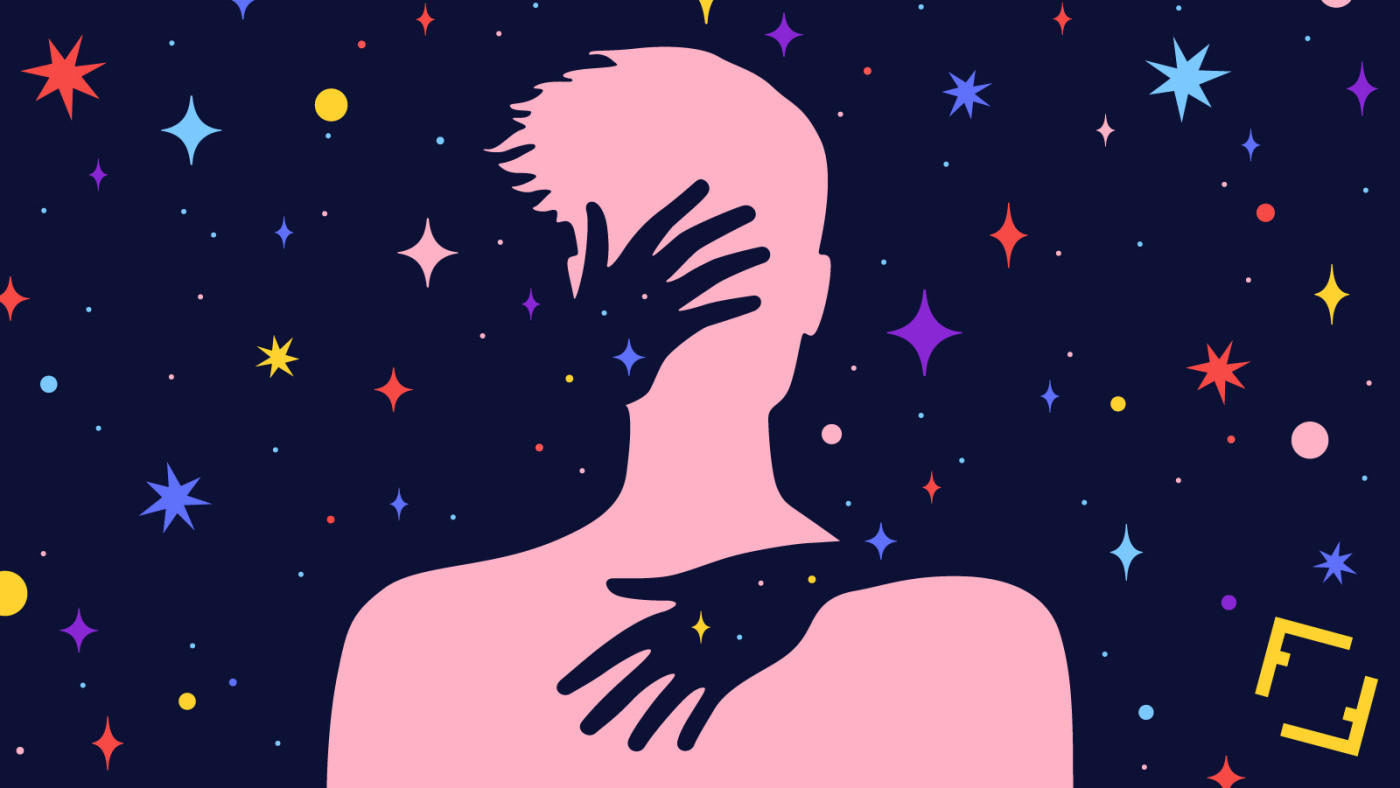
Modern Love: Reflections on Intimacy and Eros
Our May exhibition explores the many facets of love in the modern era. We’re looking for portraits of desire, elation, grief, friendship, vulnerability, impermanence, heartbreak, self-love, radical acceptance, unconventional romance, and the ways technology is reshaping how we connect. Show us your boldest, rawest, sweetest takes on that funny feeling called love.
For inspiration, check out Women in Love or last's week' s newsletter.
notrealart.com
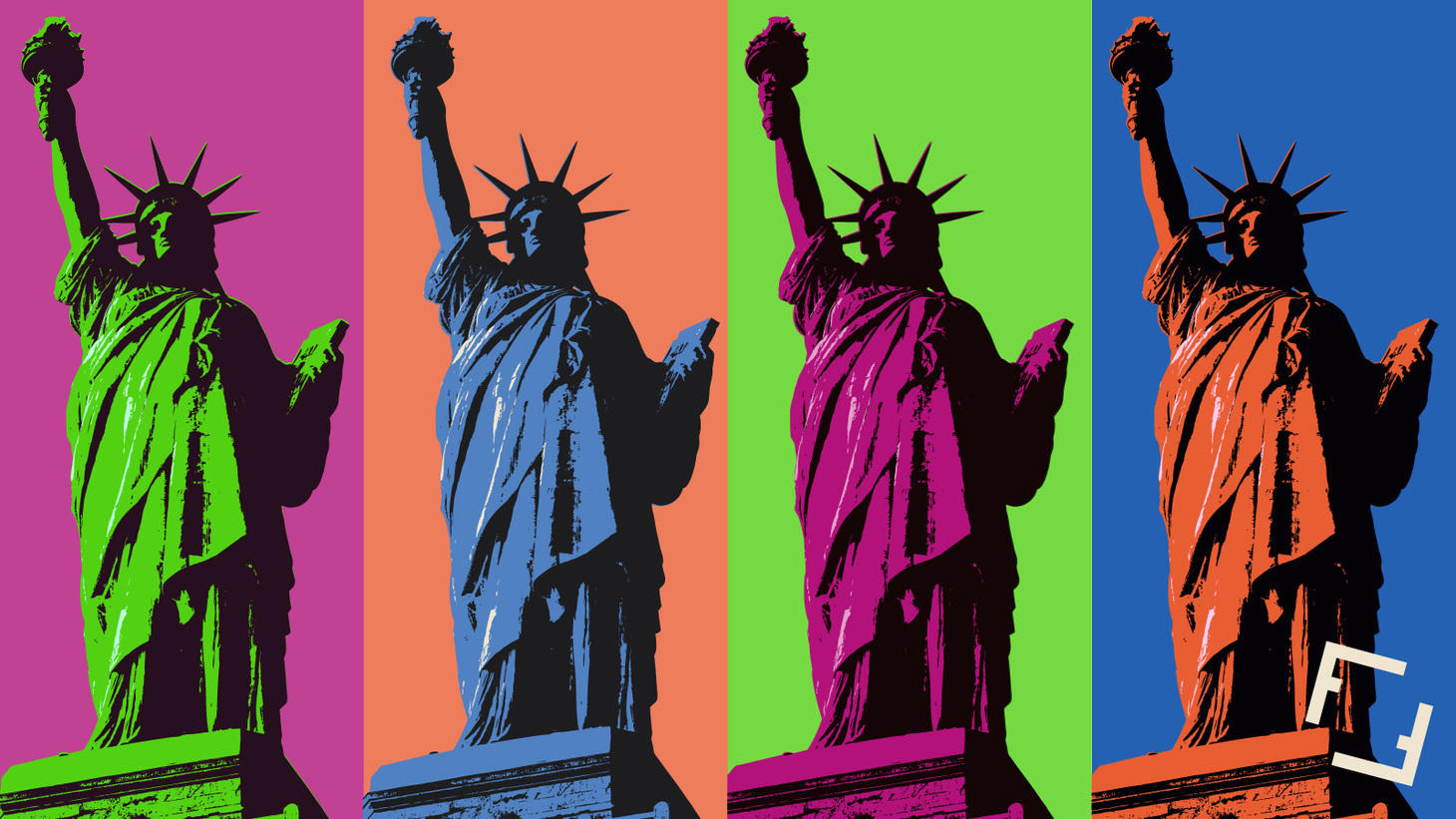
250: A Celebration of Public Art in the U.S.
To celebrate the nation’s 250th birthday, we’re hosting an unforgettable tour of public artworks in parks, deserts, and city streets across the country. From political murals and billboards to site-specific installations and abstract sculptures, our July exhibition leaves the gallery behind and moves the conversation outdoors.
This exhibition highlights the artists who transform everyday environments into sites of beauty, protest, meditation, and wonder, reminding us that art belongs to everyone and isn’t confined to a gallery or museum. For inspiration, check out Remote, Badir McCleary’s documentary series on the power of public art and a NOT REAL ART exclusive series.
notrealart.com
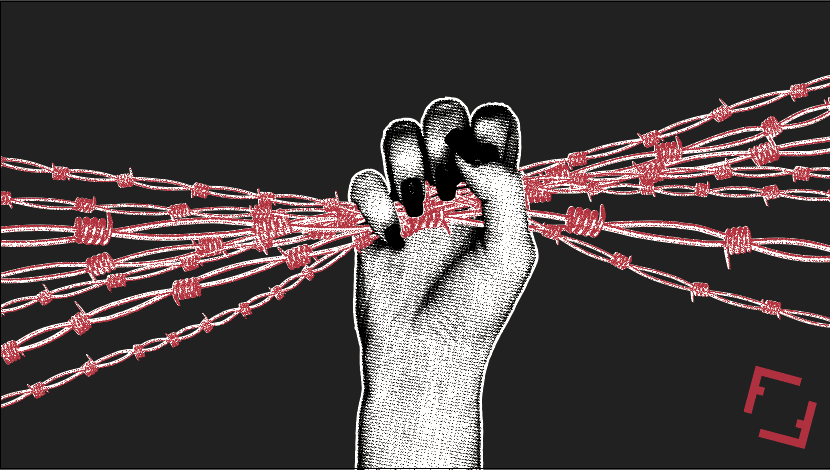
The Art of Resistance
With midterm elections looming like a high-speed train with an unknown destination, our September exhibition will feature a provocative selection of politically focused artwork that testifies to the power of collective resistance and advocates for positive change during a period of uncertainty and unrest.
This exhibition amplifies voices demanding justice for all and imagining better futures with work that refuses to look away. For inspiration, check out Indivisible, an exhibition curated by artist and political activist Karen Fiorito.
notrealart.com
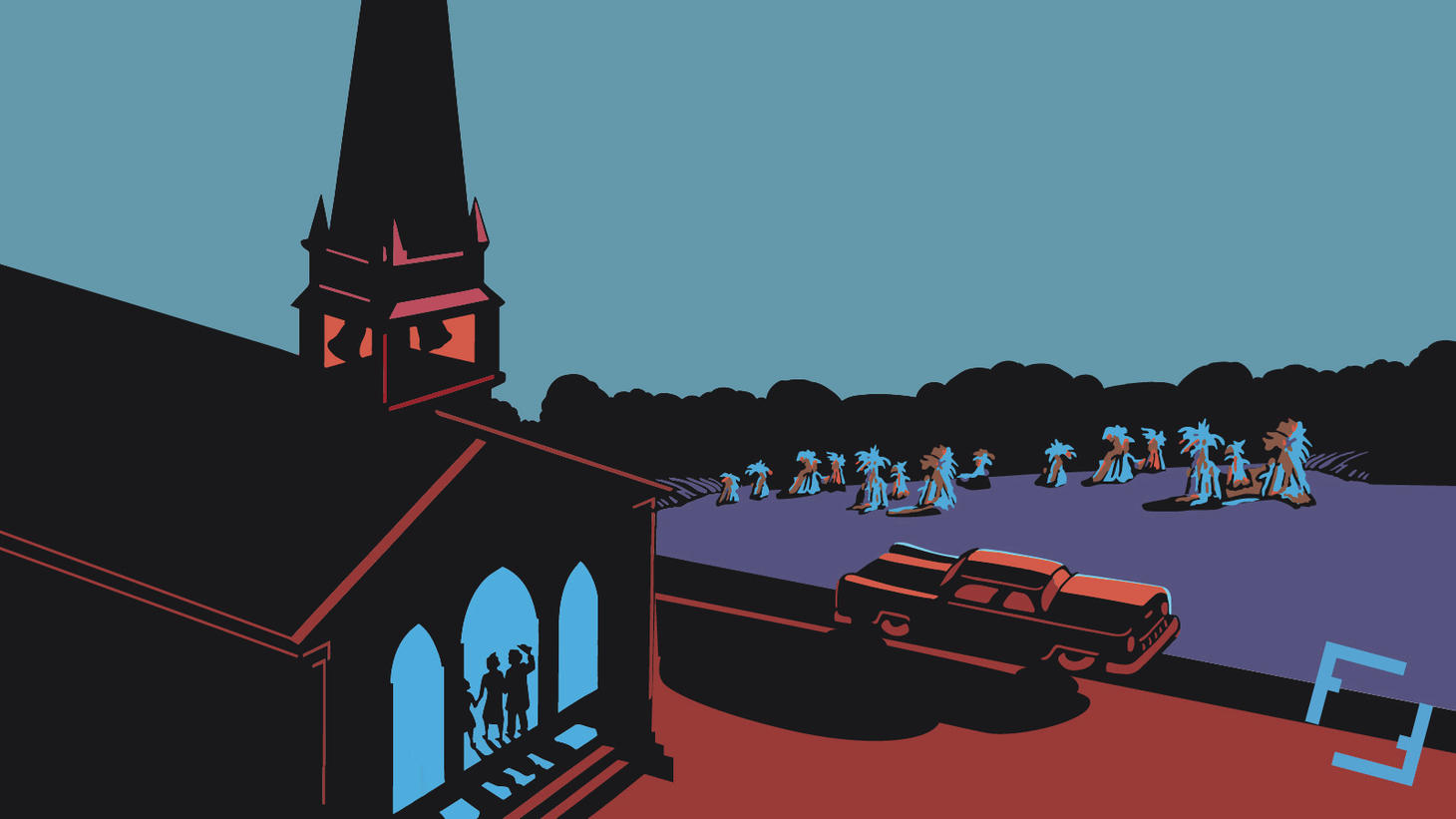
Southern Gothic: Artists Working Below the Mason-Dixon
The South is a region of profound contrasts: beautiful and haunted, iconoclastic and traditional, diverse and divided.
Featuring artists from, inspired by, or transplanted to the American South, Southern Gothic explores the region's rich artistic legacy, storied atmosphere, and cultural roots through visual narratives across a range of media. This exhibition moves beyond stereotypes, presenting cutting-edge contemporary work by artists working below the Mason-Dixon Line and offering insight into this creatively fertile area through the eyes of those who know it best.
For inspiration, check out our interview with mixed-media artist Mills Brown.
notrealart.com
The Final Stroke
It’s 2026. ChatGPT writes love letters and strategizes dates, while nearly a third of Americans admit to a “romantic relationship” with an AI bot. Renowned relationship expert Esther Perel recently provided couples therapy for a man and his AI girlfriend, and this Guardian writer thinks we’re cooked. She may be right.
Our first exhibition on love explored the end of grand romantic narratives, offering a post-postmodern perspective that took cues from 20th-century literature. Three years later, we’re contemplating the same emotion from a new vantage point, one that’s shifting so quickly, it’s hard to tell ass from elbow in the proverbial clown car that is 2026.
Who knows what fresh horrors and unexpected delights we may find ourselves making art about in another three years' time?
Not Real Art